
Think It Could Never Happen to You? That’s Exactly What Scammers Count On
When most people picture someone falling for a scam, they imagine a person who wasn’t paying attention or ignored obvious warning signs. The truth is very different.
Scammers are becoming more sophisticated every day, using technology, psychology, and carefully crafted stories to gain trust and create urgency. In many cases, victims are intelligent, cautious people who simply encounter a situation designed to bypass their defenses.
Today’s Most Common Scam Tactics
Impostor Scams
Impostor scams occur when criminals pretend to be someone you trust. This could be a government agency, a utility company, a financial institution, a delivery service, or even a family member.
Scammers often create a sense of panic by claiming your account has been compromised, your power will be shut off, or a loved one needs immediate help. They then pressure you to send money quickly through wire transfers, gift cards, payment apps, or cryptocurrency.
Red Flag: Anyone demanding immediate payment while discouraging you from verifying their identity.
Phishing and Spoofing
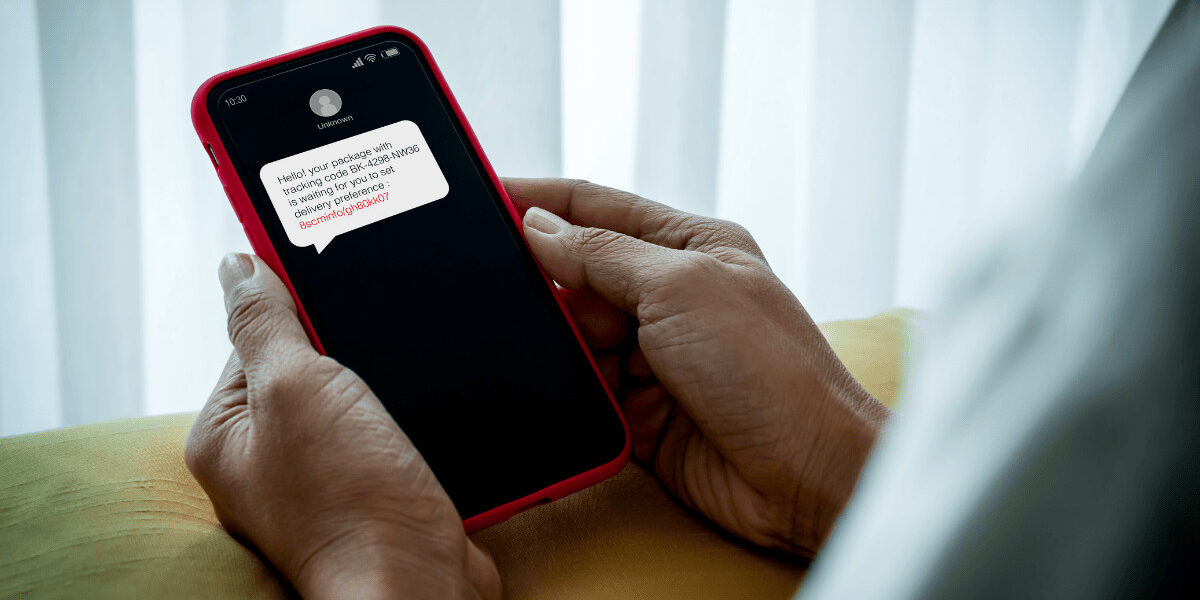
Have you ever received a text claiming there’s suspicious activity on your account? Or an email that appears to come from a company you regularly use?
Phishing scams use fake emails, texts, websites, and phone calls that closely mimic legitimate organizations. Their goal is to trick you into clicking a malicious link, sharing passwords, or revealing personal information.
Today’s scammers can even “spoof” phone numbers, making it appear that a trusted organization is calling.
Red Flag: Unexpected messages asking you to click a link, verify account information, or provide security codes.
Online Purchase Scams
Whether you’re shopping for a puppy, concert tickets, a vehicle, or a hard-to-find item, scammers know how to create convincing listings and websites. They often offer attractive prices, request payment through nontraditional methods, and disappear once funds are sent.
Red Flag: Sellers who insist on payment methods that offer little or no buyer protection, or who create pressure to act immediately.
Investment and Cryptocurrency Scams
Everyone wants their money to grow, and scammers exploit that desire. These fraudsters promise guaranteed returns, exclusive opportunities, or fast profits through investments that either don’t exist or are intentionally misleading.
Cryptocurrency scams have become especially common because transactions can be difficult to trace or recover.
Red Flag: Any investment promising little risk and unusually high returns.
Fake Check Scams
In these schemes, scammers send a check and ask you to send some of the money back or use it to make purchases on their behalf.
The check may initially appear to clear your account, but that doesn’t mean it’s legitimate. When the check is eventually identified as fraudulent, you’re responsible for the missing funds.
Red Flag: Anyone sending you money and asking for a portion of it back.
Romance Scams
Romance scammers build relationships online through dating sites, social media, or messaging apps. They invest time in earning trust before creating an emergency that requires financial assistance. These scams can last weeks, months, or even years before victims realize they’ve been deceived!
Red Flag: Someone you’ve never met in person asking for money, gift cards, or financial help.
Tech Support Scams
A pop-up suddenly appears on your computer claiming your device has been infected with a virus. It provides a phone number and urges you to call immediately.
Once connected, the scammer attempts to collect payment, install malicious software, or gain remote access to your device.
Red Flag: Unsolicited warnings that your computer is infected and requires immediate action.
The Best Defense: Pause Before You Act
Most scams have one thing in common: urgency.
Scammers want you to react emotionally before you have time to think critically. Whether they’re creating excitement, fear, sympathy, or panic, their goal is to get you moving quickly.
Before sending money, sharing personal information, clicking a link, or making a purchase, take a moment to pause.
Ask yourself:
- Was I expecting this message or phone call?
- Am I being pressured to act immediately?
- Can I verify this request through a trusted source?
- Does anything feel unusual or too good to be true?
A few extra minutes of caution can prevent weeks—or even years—of financial hardship.
We’re Here to Help
If something doesn’t feel right, trust your instincts and give us a call. Whether you want help verifying a suspicious request or believe you’ve already been targeted by a scam, our team is here to support you.
Fraud can happen to anyone. Staying informed, asking questions, and slowing down before acting are some of the most effective ways to protect yourself and your finances.